
Nutrition Strategies for Peak Performance
By Dr. Alexander Mercer
Publication date:June 2, 2026
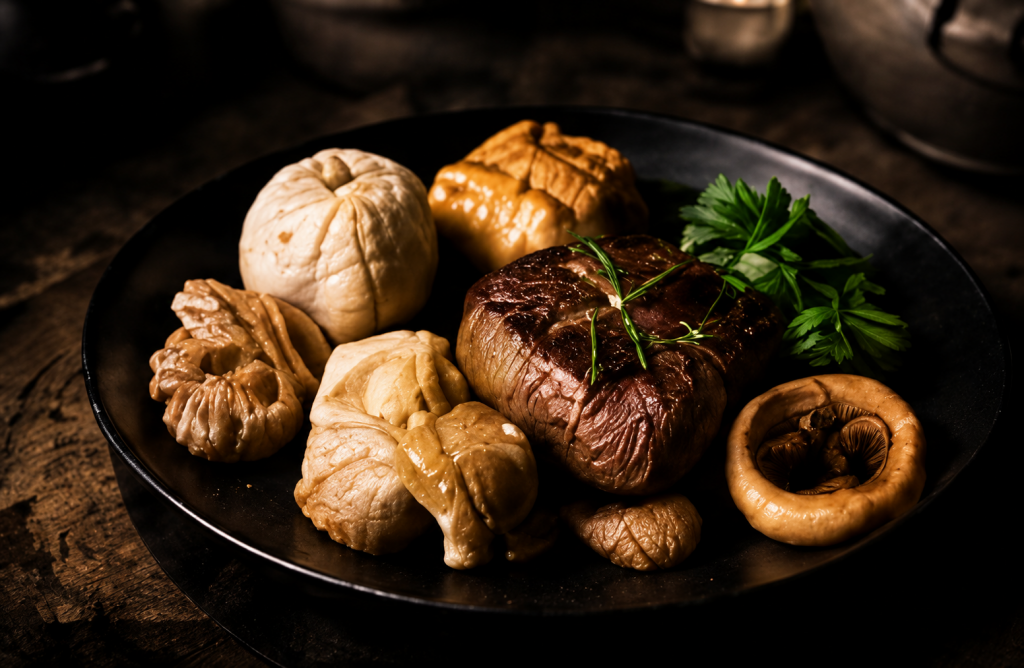
Performance begins long before the mission starts.
Before the first step is taken, before the first decision is made, before the first obstacle appears, the foundation of success is already being laid—one meal, one choice, and one habit at a time.
Elite operators understand a truth that casual athletes often overlook: nutrition is not merely about health. It is about capability.
The food consumed today becomes tomorrow’s energy, resilience, focus, and recovery. Every cell in the body is built, repaired, and powered by what we choose to consume. In demanding environments where physical endurance and mental sharpness determine outcomes, nutrition ceases to be a lifestyle preference and becomes a performance necessity.
The body is a remarkable machine.
But even the most advanced machine cannot function without fuel.
Beyond Calories
For decades, nutrition discussions centered around calories alone.
While energy intake remains important, elite performance demands a more sophisticated understanding.
Not all calories are created equal.
A thousand calories of highly processed food and a thousand calories of nutrient-dense whole foods may provide similar energy on paper, but their effects on recovery, cognition, inflammation, and long-term performance differ dramatically.
The operator’s objective is not simply to consume enough food.
The objective is to maximize performance.
This means viewing food not merely as sustenance but as information—signals that influence every biological system within the body.
Each meal either contributes to readiness or detracts from it.
The Brain Runs the Mission
Physical strength often receives the spotlight.
Yet in operational environments, cognitive performance frequently determines success.
Decision-making.
Situational awareness.
Reaction time.
Problem-solving.
Emotional control.
These functions depend heavily on nutritional status.
The brain consumes an extraordinary amount of energy despite representing only a small percentage of total body weight. It requires a consistent supply of nutrients to function optimally.
Poor nutritional choices can result in:
- Slower reaction times
- Mental fatigue
- Impaired judgment
- Mood instability
Conversely, a properly fueled brain maintains clarity even under pressure.
In elite performance, mental endurance is every bit as important as physical endurance.
Protein: The Foundation of Recovery
Training creates stress.
Recovery creates adaptation.
Protein serves as the primary building material for this process.
Every demanding workout, loaded march, obstacle course, and field exercise places microscopic stress upon muscles and connective tissues. Recovery depends upon providing the body with sufficient amino acids to rebuild stronger than before.
Elite performers prioritize high-quality protein sources throughout the day.
Examples include:
- Fish
- Eggs
- Dairy products
- Legumes
- Poultry
Rather than concentrating protein in a single meal, effective strategies distribute intake consistently to support continuous repair and recovery.
Strength is not built during training.
Strength is built after training.
Protein makes that possible.
Carbohydrates: The Performance Fuel
Carbohydrates have endured decades of controversy.
Yet among high-performing athletes and military personnel, their value remains undeniable.
Carbohydrates are the body’s preferred source of rapidly available energy.
They fuel:
- High-intensity training
- Sprinting
- Load carriage
- Tactical movement
- Extended operational tasks
When carbohydrate stores become depleted, performance often declines sharply.
The result is familiar to many athletes:
Reduced power.
Reduced endurance.
Reduced mental sharpness.
The goal is not to eliminate carbohydrates.
The goal is to choose them intelligently.
Whole grains, fruits, vegetables, and minimally processed sources provide sustained energy while supporting overall health.
The operator’s diet should prioritize performance, not nutritional trends.
Fats: The Long-Burn Energy System
While carbohydrates power intensity, fats support endurance.
Healthy fats contribute to:
- Hormone production
- Brain function
- Joint health
- Cellular integrity
- Long-duration energy production
Sources such as nuts, seeds, avocados, olive oil, and fatty fish provide essential nutrients that support long-term readiness.
Elite performance requires balance.
The most effective nutrition plans recognize the importance of all three macronutrients rather than elevating one at the expense of others.
Hydration: The Silent Performance Multiplier
Few factors influence performance as rapidly as hydration.
Even mild dehydration can impair:
- Physical output
- Cognitive function
- Decision-making
- Coordination
- Endurance
Yet hydration remains one of the most neglected aspects of performance preparation.
Water supports virtually every physiological process within the body.
Blood circulation.
Temperature regulation.
Nutrient transport.
Waste removal.
Recovery.
The best operators do not wait until they feel thirsty.
They proactively maintain hydration throughout the day.
Because when performance matters, prevention is superior to correction.
Recovery Nutrition
The mission does not end when training stops.
In many ways, recovery is where future performance is created.
Following demanding physical activity, the body enters a period of accelerated adaptation.
This window represents an opportunity.
Proper nutrition during recovery helps:
- Restore energy stores
- Repair damaged tissue
- Reduce excessive fatigue
- Accelerate readiness
Elite performers understand that every recovery meal is an investment in tomorrow’s capability.
Consistency in recovery nutrition often produces greater long-term results than occasional perfection.
The Discipline Advantage
Nutrition is frequently portrayed as a matter of knowledge.
In reality, it is largely a matter of discipline.
Most people already understand the fundamentals.
Eat quality foods.
Stay hydrated.
Consume sufficient protein.
Avoid excessive processed foods.
The challenge lies in execution.
Elite operators distinguish themselves not through extraordinary information but through extraordinary consistency.
They make productive choices repeatedly.
Day after day.
Month after month.
Year after year.